

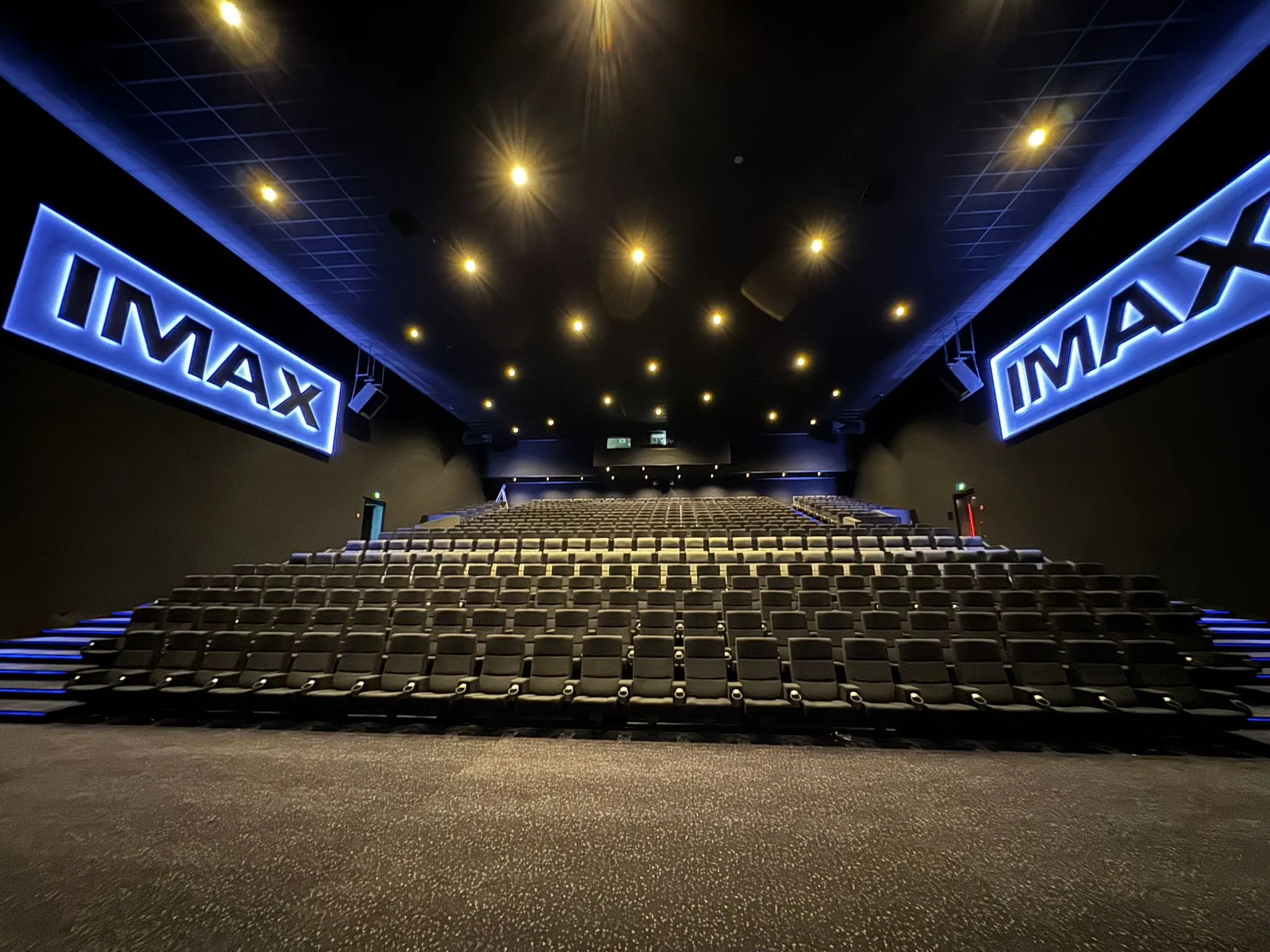
Seating Systems for Modern Venues
Across Europe, seating systems play a central role in how public and professional venues operate. From cinemas and auditoriums to sports facilities and multipurpose halls, seating is a foundational element that directly affects comfort, movement, safety, and the overall perception of quality. In contemporary projects, seating is no longer treated as an accessory but as a core component of spatial planning.
European venues are designed to serve diverse audiences, varied event formats, and long operational lifecycles. Seating systems must therefore respond to a wide range of functional and cultural expectations while maintaining consistent performance.
Seating as a Functional Framework
In modern venue design, seating provides structure. It defines how space is occupied, how people move, and how activities unfold over time. Well planned seating systems create order without imposing rigidity.
Effective seating frameworks support
Clear spatial organization
Predictable circulation patterns
Balanced use of available space
Consistent user experience across the venue
When seating is integrated at the planning stage, it becomes part of the architectural logic rather than a later addition.
Responding to Diverse European Contexts
European venues operate within a wide spectrum of cultural, architectural, and regulatory environments. Seating systems must be adaptable enough to function across these differences without compromising reliability.
Key considerations include
Variation in venue size and capacity
Different audience behaviors and usage intensity
Local standards related to safety and accessibility
Architectural diversity between regions
A general European approach to seating prioritizes flexibility supported by precise engineering.
Comfort as a Baseline Expectation
Across all types of venues, comfort is not considered a premium feature but a baseline requirement. Seating must support the body naturally and remain comfortable throughout extended periods of use.
Comfort oriented seating design focuses on
Balanced posture support
Appropriate spacing between seats and rows
Stability that limits unnecessary movement
The objective is to create seating that supports engagement without drawing attention to itself.
Structural Reliability and Long Term Use
Seating systems in professional venues are subject to constant and repeated use. Structural reliability is therefore a critical requirement that influences material selection and construction methods.
Reliable seating systems are characterized by
Strong internal structures
Materials that maintain form and function over time
Consistent performance under continuous load
This reliability ensures operational continuity and reduces long term maintenance demands.
Visual Order and Spatial Identity
Seating occupies a significant visual footprint in any venue. Its arrangement, proportions, and repetition contribute to how organized and intentional a space feels.
Visually disciplined seating systems help
Reinforce architectural rhythm
Create a sense of order and clarity
Support the identity of the venue without dominating it
In European projects, visual restraint is often preferred over expressive excess.
Adaptability for Multi Purpose Use
Many venues across Europe are designed to host a wide range of activities. Seating systems must therefore support adaptability while maintaining consistency.
Adaptable seating strategies allow venues to
Accommodate different event types
Preserve comfort across varying formats
Extend the functional relevance of the space
Adaptability is achieved through thoughtful planning rather than complex mechanisms.
Seating as an Operational Asset
Beyond design and comfort, seating systems influence how efficiently a venue operates. Layouts affect cleaning routines, maintenance access, and crowd management.
Well designed seating contributes to
Efficient venue operation
Predictable audience behavior
Reduced disruption during peak use
This operational dimension is essential for venues with high usage frequency.
A System Oriented Perspective
In successful European projects, seating is evaluated as part of a broader system that includes architecture, circulation, acoustics, and user experience.
When seating is approached from a system oriented perspective, it
Enhances overall spatial performance
Supports long term operational goals
Maintains consistency across different environments
Conclusion
Seating systems for modern European venues must balance comfort, reliability, adaptability, and visual discipline. They form the structural and experiential foundation of how spaces are used and perceived.
When seating is designed as an integrated system rather than an isolated product, it contributes quietly but decisively to the long term success of professional venues across Europe.
Created By : Monseat